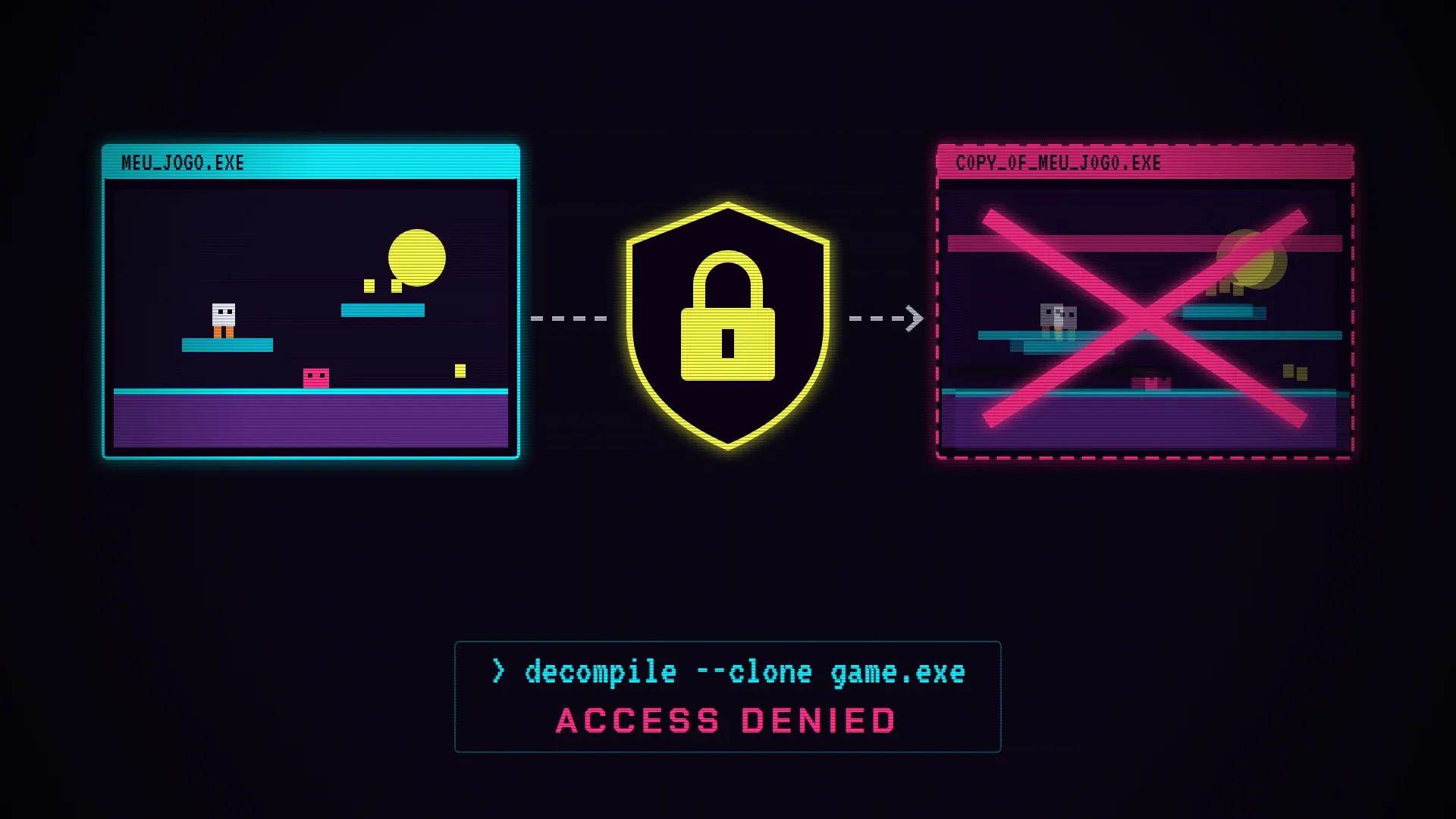
One story caught my eye this week. According to tbreak, since October 21 users of Claude Opus 5.5, Anthropic’s latest model, have reported that it cuts off reverse-engineering answers mid-sentence, saying a safety check halted the response. Rewording the request doesn’t bring it back.
A word of caution: Anthropic hasn’t announced any change or published release notes about this. For now, these are user reports. What the company did say when it launched the model on September 22 is that it ships with safeguards similar to those of its most capable systems, especially around cybersecurity.
Why it matters if you make games
The context is what makes this relevant. In recent weeks, Kotaku tied Opus 5.5 to a wave of AI-assisted game decompilations: browser ports, Switch-to-PC ports, progress on PlayStation jailbreaks. GitHub’s DMCA logs show takedown requests from publishers, including one from Mega Crit on October 7 against a repository holding the unreleased source code of Slay the Spire II.
And it isn’t only happening to big studios. Over the last few weeks there have been many reports of indie games cloned right after their demo or full version came out. Someone grabs the build, decompiles it, swaps the art and the name, and puts it on a store before the original developer even gets a proper shot at launching. Or worse: some don’t even bother swapping the art! A big studio has lawyers and time to go after them. A solo dev who spent nights and weekends building the game often has neither.
My take
I think this guardrail is very welcome, and I’m speaking from both sides I know: as a game developer and as a software developer, which is my day job.
Intellectual property is a very serious matter. An indie game is almost always the work of one or a few people who bet their time, money and health on a project. When a tool lets anyone turn that work into a copy in a few hours, the one who loses isn’t the billion-dollar publisher: it’s the small dev who hasn’t even made their investment back.
Reverse engineering has legitimate uses, like preserving old games, interoperability and security research, and I hope people doing that seriously keep a way forward (Anthropic says it will expand its cyber verification program). But one of the most widely used AI tools on the market saying “no” to someone who wants to decompile somebody else’s game is good news for our community.
I don’t think it solves everything, either. Clones existed before AI and will keep existing. Luke Dicken, Take-Two’s former head of AI, expects this wave to push the industry toward more invasive DRM and streaming, and that comes at a cost to players too. The more protection comes from the tools themselves, the less we need to punish the honest player.
On my end, I’m still building COLD VAULT calmly and carefully. And if you’re an indie dev: keep proof that the game is yours, like your project’s version history and dated art files. Where your country allows it, register the copyright too. And talk about it with the community: the more we expose clones, the harder life gets for whoever steals.
One more tip, from one programmer to another: if you’re releasing a demo of a game that’s nearly or fully done, don’t ship the whole game hidden behind feature flags. A disabled flag protects nothing: the code and assets are still in the build, and anyone who decompiles the demo just has to flip everything back on to get the full game. Build the demo with only what the demo uses and leave the rest out at compile time (in Unity, for example, with demo-only scenes and scripting define symbols).
See you soon.
Claude and Opus are trademarks of Anthropic; Slay the Spire is a trademark of Mega Crit. Retirement Plan is not affiliated with, sponsored or endorsed by them.